
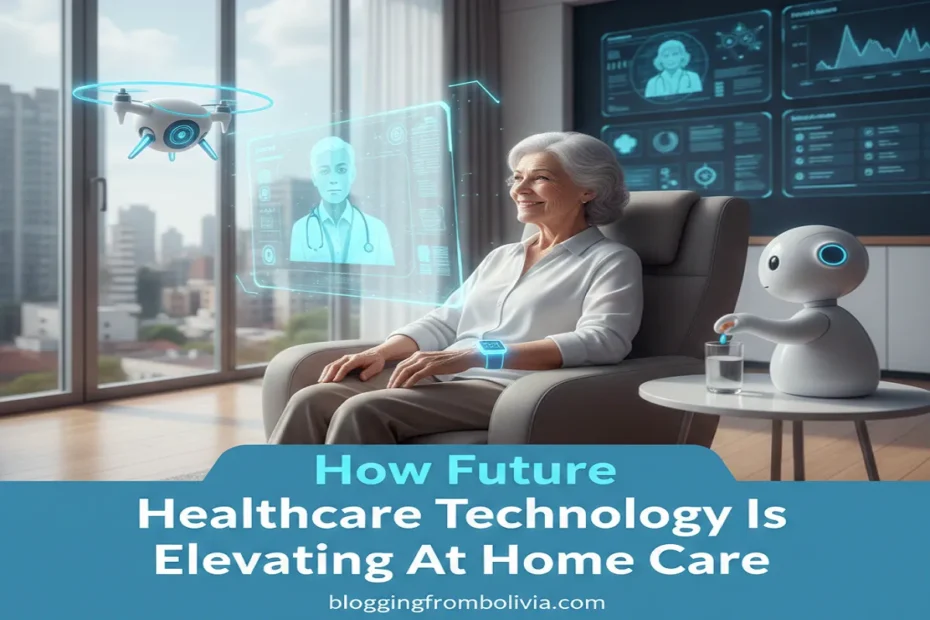
Healthcare is undergoing a major transformation. Around the world, hospitals are facing overcrowding, healthcare costs continue to rise, and aging populations are placing unprecedented demands on medical systems. At the same time, patients increasingly prefer receiving care in the comfort and safety of their own homes. This shift has accelerated the development of advanced solutions designed to deliver high-quality medical care outside traditional hospital settings. Today, innovations such as remote monitoring, artificial intelligence, telehealth, and smart medical devices are redefining how healthcare is delivered. Future healthcare technology is elevating at home care by improving patient safety, enhancing independence, reducing costs, and enabling proactive treatment. In this guide, you’ll discover how future healthcare technology is elevating at home care, how these technologies work, their real-world benefits, challenges to consider, and what the future holds for home-based healthcare.
Why At Home Care Is Becoming the Future of Healthcare
Aging Population and Chronic Disease Growth
Global life expectancy continues to increase, leading to a larger elderly population. Older adults are more likely to suffer from chronic conditions such as diabetes, heart disease, and arthritis, requiring ongoing monitoring and care.
Rising Healthcare Costs and Hospital Overcrowding
Hospital-based care is expensive and resource-intensive. Treating patients at home can significantly reduce costs while easing pressure on healthcare facilities.
Patient Preference for Comfort and Independence
Most patients prefer recovering at home rather than in clinical environments. Home care promotes emotional well-being, faster recovery, and improved quality of life.
Expert Insight: Global health organizations report that home-based care models can reduce hospital readmissions while improving patient satisfaction and outcomes.
What Is Future Healthcare Technology?
Future healthcare technology refers to digital tools, connected devices, and intelligent systems designed to monitor, diagnose, and manage health conditions remotely.
Unlike traditional home care, which relies heavily on in-person visits, technology-enabled care creates a connected ecosystem where patients, caregivers, and medical professionals remain continuously linked through real-time data and communication tools.
This shift supports preventive care, early intervention, and personalized treatment strategies.
Key Technologies Elevating At-Home Care
Remote Patient Monitoring (RPM)
Remote monitoring uses wearable devices and sensors to track vital signs such as heart rate, blood pressure, oxygen levels, and glucose levels.
Benefits include:
-
Continuous health tracking
-
Early detection of complications
-
Real-time data sharing with doctors
-
Reduced emergency visits
Artificial Intelligence & Predictive Analytics
AI-powered systems analyze patient data to identify patterns and detect health risks before symptoms worsen.
Examples:
-
Predicting heart failure risk
-
Detecting irregular heart rhythms
-
Personalized care recommendations
AI enables proactive care instead of reactive treatment.
Telehealth & Virtual Consultations
Telehealth allows patients to consult doctors through video calls, messaging platforms, and remote diagnostic tools.
Advantages:
-
Eliminates travel time
-
Expands access for rural areas
-
Enables faster medical advice
-
Reduces waiting room exposure
Telehealth adoption surged globally and continues to grow due to its convenience and efficiency.
Smart Medical Devices & IoT Integration
Connected medical devices form a smart health ecosystem within the home.
Examples include:
-
Smart insulin pens
-
Digital blood pressure monitors
-
Smart inhalers
-
Connected heart monitors
-
Medication reminder systems
These devices sync with mobile apps and healthcare providers to ensure treatment adherence and accurate tracking.
Robotics & Assistive Technologies
Assistive technologies are improving mobility, safety, and rehabilitation.
Innovations include:
-
Robotic mobility aids
-
Smart fall detection systems
-
Robotic rehabilitation tools
-
Voice-activated home assistants for health support
These solutions empower elderly and disabled individuals to live independently.
Benefits of Technology-Driven At-Home Care
Improved Patient Safety & Early Intervention
Continuous monitoring detects warning signs early, preventing complications and hospitalizations.
Greater Independence for Elderly & Disabled Patients
Assistive technologies help individuals maintain dignity and autonomy.
Reduced Healthcare Costs
Home-based care lowers hospital stays, emergency visits, and transportation costs.
Better Chronic Disease Management
Patients with diabetes, heart disease, and respiratory conditions benefit from continuous monitoring and personalized care.
Enhanced Family & Caregiver Support
Caregivers receive alerts, updates, and guidance, reducing stress and improving care coordination.
Real-World Applications and Success Stories
-
Remote cardiac monitoring helps detect arrhythmias before they become life-threatening.
-
Home dialysis programs allow kidney patients to manage treatment safely at home.
-
AI-powered fall detection systems alert caregivers instantly, reducing injury risks.
-
Telehealth services improve healthcare access in rural and underserved communities.
These innovations are already improving patient outcomes worldwide.
Challenges and Concerns to Address
Data Privacy & Cybersecurity
Health data must be protected through encryption and compliance with privacy regulations to prevent breaches.
Technology Accessibility & Digital Literacy
Not all patients are comfortable with digital tools. Training and user-friendly designs are essential.
Insurance Coverage & Policy Barriers
Coverage for telehealth and home monitoring varies by region and provider.
Reliability & Technical Issues
Stable internet connectivity and device accuracy are critical for reliable care.
Addressing these challenges ensures safe and effective adoption.
The Role of Healthcare Providers & Caregivers
Healthcare professionals play a vital role in guiding patients through technology-enabled care.
-
Training caregivers to use devices correctly
-
Monitoring data and adjusting treatment plans
-
Maintaining communication through digital platforms
-
Combining remote monitoring with in-person visits when needed
Hybrid care models ensure comprehensive support.
Future Trends Shaping At-Home Healthcare
AI-Powered Virtual Health Assistants
Smart assistants will monitor symptoms, answer health questions, and provide medication reminders.
5G & Real-Time Health Monitoring
Faster connectivity will enable real-time data transmission and advanced remote diagnostics.
Smart Homes Designed for Medical Support
Future homes may include built-in health sensors, fall detection systems, and emergency response integration.
Personalized Preventive Healthcare
Data-driven insights will allow preventive care tailored to each individual’s health risks and lifestyle.
How to Prepare for Technology-Enabled Home Care
-
Consult healthcare providers before choosing devices
-
Ensure secure and reliable internet connectivity
-
Select user-friendly and medically approved devices
-
Train caregivers and family members
-
Monitor data regularly and follow medical advice
Preparation ensures safe and effective adoption.
Conclusion
FAQs:
Is home healthcare technology safe?
Yes. When approved devices and secure systems are used, home healthcare technology is safe and reliable.
Can remote monitoring replace hospital visits?
It can reduce the need for visits, but severe conditions still require in-person medical care.
What conditions can be managed at home?
Chronic diseases such as diabetes, hypertension, heart disease, and respiratory conditions can be effectively monitored at home.
Is telehealth covered by insurance?
Coverage varies by provider and region. Many insurers now include telehealth services.
Are smart health devices accurate?
Medical-grade devices provide reliable results when used correctly and regularly calibrated.
For more informational articles, please visit Blogging From Bolivia.